
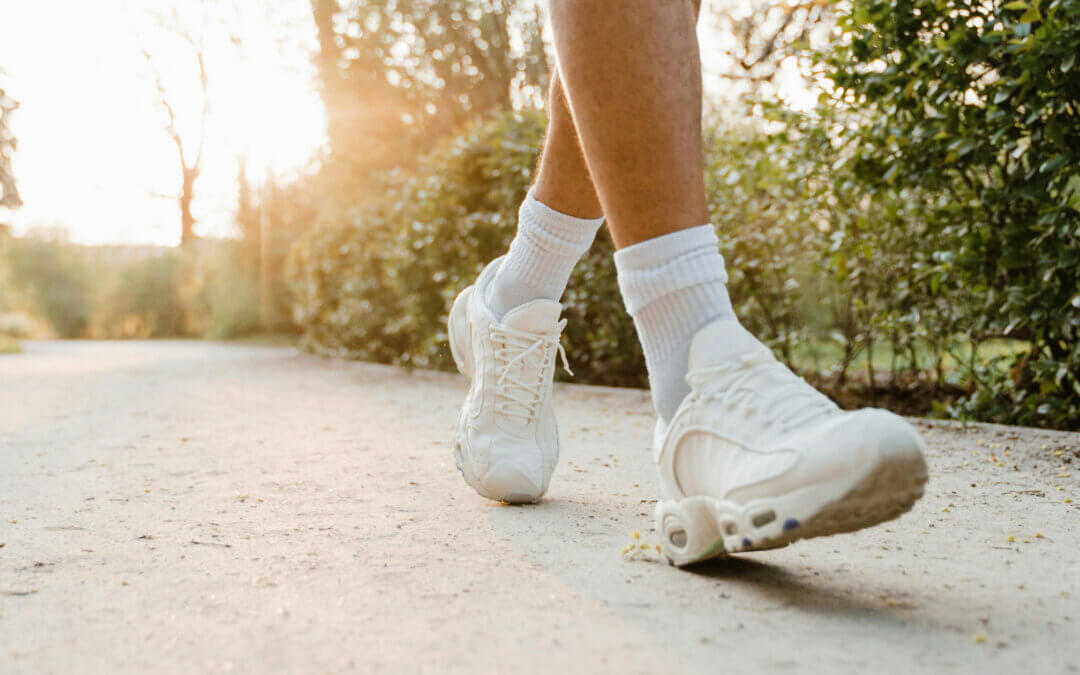
Walking is one of the simplest and most accessible forms of physical activity, suitable for people of any age and fitness level. It requires no training or special equipment, yet offers a wide range of health benefits, including improved cardiovascular health, increased energy, and reduced stress.
Adding regular walks to your daily routine can make a meaningful difference in your overall well-being. Walking can help you maintain a healthy weight, strengthen muscles, and enhance your mood. Whether you are just starting out or looking to add more movement to your life, walking is an effective and enjoyable way to support a healthy lifestyle.
A friend recently told me he needed a hip replacement. Coincidentally, a few days later, I came across an article describing how walking speed can predict recovery outcomes after hip surgery.
According to the article, based on a study published in the Journal of Bone and Joint Surgery, patients with a gait speed of 1 meter per second or faster experienced significantly better recovery than those who walked more slowly. Each participant completed a 10-meter walk test before surgery, and researchers followed them for 5 to 10 years, measuring pain levels, hip function, and whether the artificial joint felt natural.
When compared with factors such as age, body mass index, pain levels, and X-rays, gait speed proved to be a far stronger predictor of long-term outcomes.
Researchers emphasized that gait speed reflects more than how fast someone walks. It also serves as an indicator of overall health, muscle strength, and cardiovascular fitness. In short, walking plays a crucial role in maintaining mobility, health, and independence as we age.
I often prescribe walking for patients with low back pain. It is a “Goldilocks” activity, not too strenuous, yet enough to get people moving. Patients can walk at their own pace and for as long as they feel comfortable, paying attention to how their body responds. If pain begins, it is a sign to stop.
I also encourage patients to track how far and how fast they walk so they can see their progress over time.
Walking can often delay or even reduce the need for steroid injections, anti-inflammatory medications, or surgery. It also helps prevent weight gain, which can otherwise place additional stress on the low back and joints.
Best of all, walking is free and requires no special equipment. It boosts mood, encourages time in fresh air and sunlight, and helps keep us connected to our surroundings and community.
With all these benefits, why not start today?
Park a little farther from the grocery store. Walk to run an errand instead of driving. Take your pet for a walk or invite a friend to join you. Challenge yourself to notice something new each time you step outside: flowers blooming, birds chirping, squirrels moving through the trees, small signs of the season changing.
Breathe deeply and enjoy the outdoors. It can do more for your health than you might expect.
Reference: Journal of Bone and Joint Surgery, 2025; 0(0):1–8