
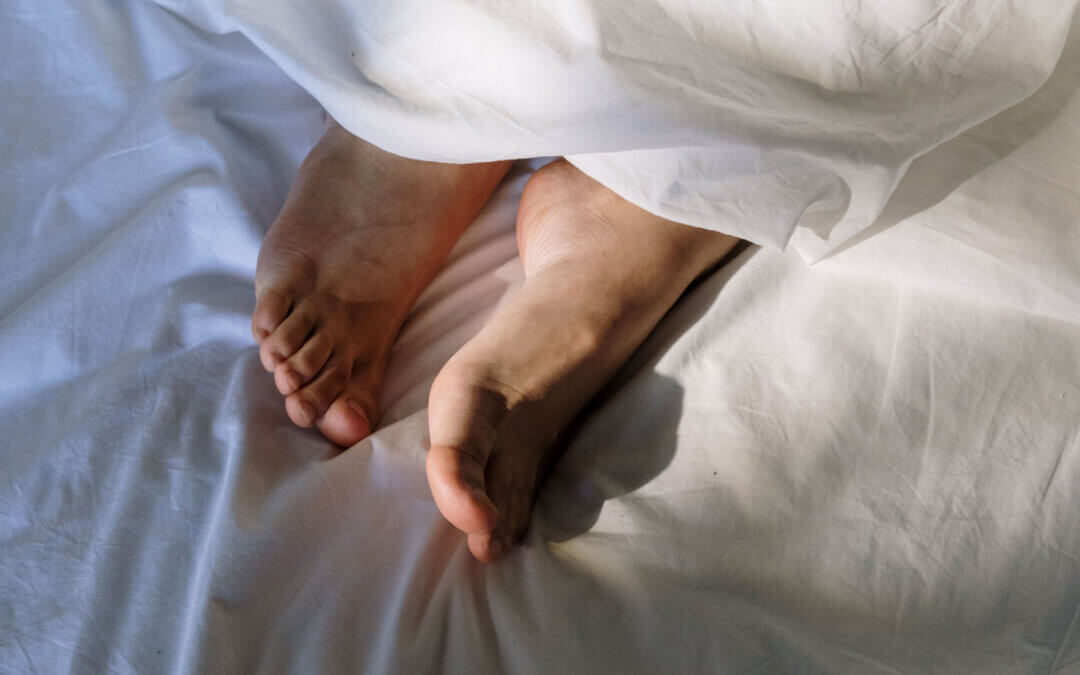
It’s late. The house is quiet. You finally lie down, and that’s exactly when your feet start up: burning, tingling, or going numb, right when you’re trying to sleep.
If your feet come alive at night, you’re not imagining it, and you’re not alone.
Nighttime is when these sensations tend to get loudest, and for a lot of people, it’s the first real sign that something with their nerves needs attention.
Quick answer: Burning, tingling, or numbness in the feet, especially at night, is one of the most common early signs of peripheral neuropathy (nerve damage or dysfunction, often linked to circulation or diabetes). It usually feels worse at night because there’s less to distract you, the body cools down, and circulation shifts when you lie still. The sensations are real, and they’re worth addressing early, because nerves respond best when they’re treated sooner rather than later.
Dealing with nighttime foot symptoms in Takoma Park, Silver Spring, Bethesda, or Washington, DC? Learn about our peripheral neuropathy treatment, or call (202) 538-3995 to schedule a consultation.
Why Do Your Feet Burn, Tingle, or Go Numb?
Your feet are home to some of the longest nerves in your body. When those nerves get irritated, damaged, or starved of good circulation, they start sending distorted signals: burning that isn’t from heat, tingling that isn’t from movement, numbness where there should be sensation.
Those mixed-up signals are what you feel as burning, “pins and needles,” or a wooden, numb quality in the feet. It’s the nerves misfiring, not the skin.
Why It Feels Worse at Night
Here’s the part that surprises people: the symptoms are often there during the day too. Nighttime just removes everything that was drowning them out.
A few things stack up after dark:
- Fewer distractions. During the day, activity and noise keep your attention busy. At night, there’s nothing competing with the sensation in your feet.
- Cooler temperatures. As your body and skin cool down, irritated nerves can become more reactive and noticeable.
- Circulation shifts. Lying down changes blood flow to your feet, and nerves that are already short on circulation feel it.
- Stillness. Without movement to interrupt them, the signals have the floor to themselves.
That “my feet get worse the second my head hits the pillow” pattern is one of the most common things patients describe.
What These Symptoms Often Mean
Burning, tingling, and numbness in the feet are classic early signs of peripheral neuropathy – damage or dysfunction in the nerves that run to your hands and feet.
It can develop from diabetes (the most common cause), poor circulation, past injuries, inflammation, or sometimes no identifiable cause at all. You can read the fuller picture on our peripheral neuropathy page, but the short version is this: these sensations are your nerves signaling that something needs attention.
Why These Symptoms Tend to Stick Around, and Worsen
Nerves heal slowly, and sometimes incompletely. Unlike skin or muscle, nerve tissue needs consistent stimulation to recover, depends heavily on circulation, and reacts to even small disruptions.
That’s why nighttime foot symptoms tend to come and go, then gradually intensify. Left alone, burning and tingling can progress toward numbness and balance problems over time. The earlier the nerves get support, the better the outlook.
Why Typical Treatments Often Fall Short
Most conventional options for nerve symptoms focus on dulling the sensation rather than repairing the nerve.
Medications for nerve pain, anti-seizure drugs, and certain antidepressants can change how the brain perceives the discomfort. What they don’t do is restore nerve function or improve the circulation the nerves depend on. That’s why so many people are told to simply “manage” the symptoms.
How Acupuncture and FAST Laser Therapy Help
There’s a more root-focused path, and it’s what New Dawn Acupuncture is built around.
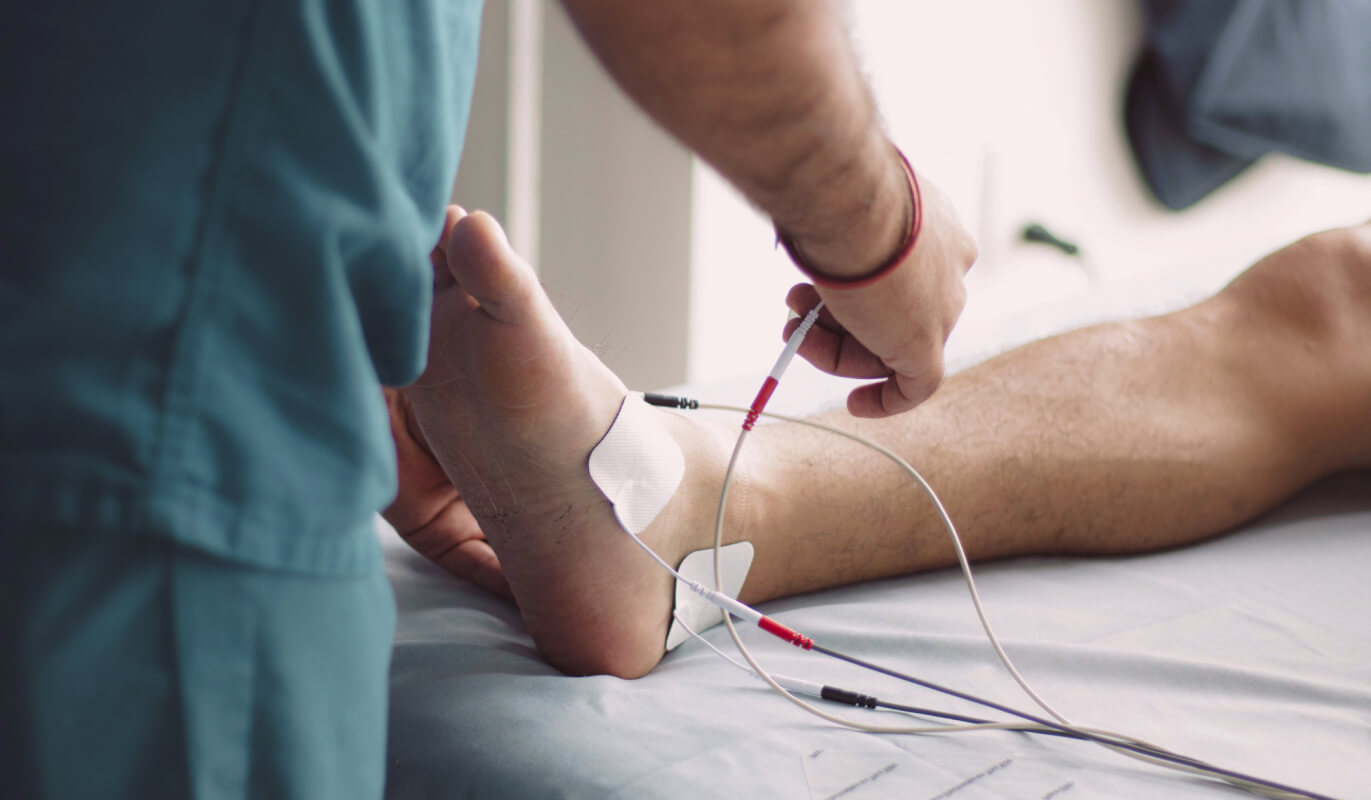
Acupuncture stimulates your body’s natural repair systems. For nerve symptoms, that means improving blood flow to the feet, reducing inflammation, supporting healthy nerve signaling, and easing pain perception naturally. Here’s how electroacupuncture supports nerve recovery specifically.
Then we add FAST laser therapy, which uses infrared light to stimulate healing at the cellular level: more cellular energy (ATP), better circulation, less inflammation, and support for nerve repair. Here’s how photobiomodulation and acupuncture work together.
Together, the two work better than either one alone. It isn’t an overnight fix, and we won’t pretend it is. It’s a realistic, root-focused approach aimed at improving nerve function, reducing symptoms, and slowing or even reversing the progression over time.
When Should You Get These Symptoms Checked?
The earlier you act on nerve symptoms, the better the outcome tends to be.
It’s worth getting checked if you notice:
- Burning, tingling, or numbness in the feet, especially at night
- Pain out of proportion to the cause (the lightest touch producing intense pain)
- Symptoms that persist or keep returning
- A gradual spread or worsening over time
- Trouble with balance or coordination
- Foot symptoms that interfere with your sleep or daily life
Early intervention can help slow the progression and improve how well the nerves respond.
Relief for Burning, Tingling, or Numb Feet Near You
If nighttime foot symptoms are keeping you up in Takoma Park, Silver Spring, Bethesda, or Washington, DC, New Dawn Acupuncture offers a thoughtful, evidence-informed approach, without hype or exaggerated promises.
Ready to Quiet Your Feet at Night?
If you’ve been lying awake with burning, tingling, or numb feet, you don’t have to just wait it out, and you don’t have to settle for masking it.
New Dawn Acupuncture combines acupuncture with FAST laser therapy to help patients improve nerve function, reduce symptoms, and reach better outcomes over time.
Your feet are trying to tell you something. The sooner you listen, the more the nerves can recover.
Learn about our neuropathy treatment »
Schedule your consultation » or call (202) 538-3995.